Recovery: More Than One Path Forward
In communities across the country, the word “recovery” carries deep meaning. For many, it represents survival, healing, and transformation after the devastation of substance use disorder or mental health challenges. Yet the meaning of recovery is sometimes misunderstood or narrowly defined.
Today, national behavioral health leaders, researchers, and people with lived experience increasingly agree on something important: recovery is not one single path, one philosophy, or one program. Recovery is personal, evolving, and deeply individual.
Understanding this broader perspective helps us build communities where more people can find healing—rather than fewer.
What Is Recovery?
The U.S. Substance Abuse and Mental Health Services Administration (SAMHSA), the federal agency responsible for advancing behavioral health nationwide, defines recovery as:
“A process of change through which individuals improve their health and wellness, live a self-directed life, and strive to reach their full potential.”
This definition is significant because it reframes recovery not as a single outcome, but as a process of growth and transformation. It emphasizes health, self-direction, and purpose—not simply the absence of substance use.
SAMHSA also recognizes that there are many pathways to recovery, and that individuals determine their own route based on their needs, strengths, culture, and experiences.
For some people, recovery includes abstinence-based approaches or participation in twelve-step fellowships. For others, it may involve medication-assisted treatment, counseling, risk reduction strategies, faith-based support, peer recovery coaching, clinical care, or a combination of these supports.
No single path works for everyone.
Recovery Is Non-Linear
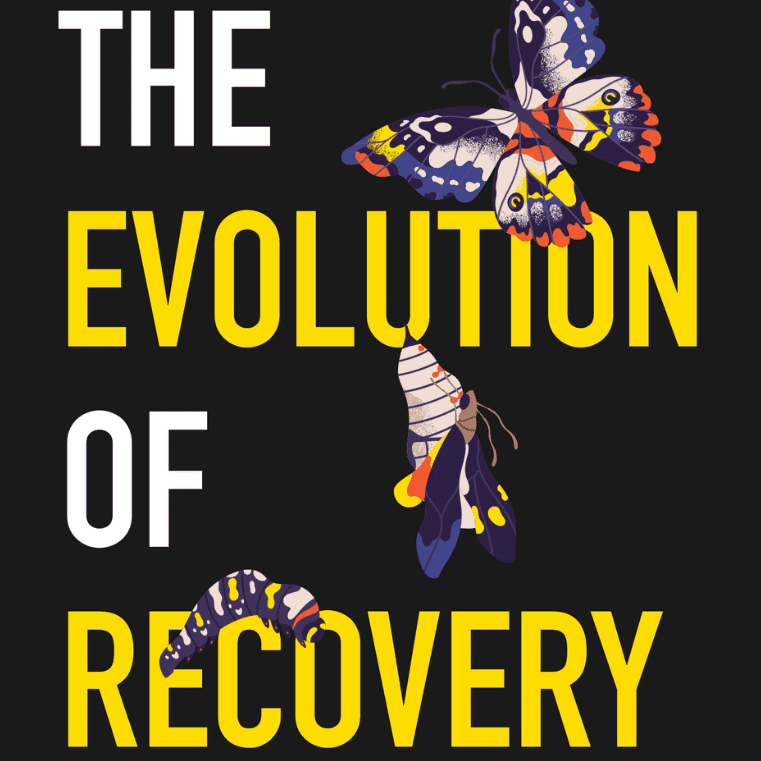
Another important principle recognized in behavioral health research is that recovery is non-linear. The journey is rarely a straight line. People may move forward, encounter setbacks, and continue learning along the way.
This reality reflects what we know about addiction and mental health conditions: they are complex health conditions influenced by trauma, environment, biology, and social determinants of health.
Setbacks do not erase progress. Growth often happens in stages, and healing can unfold over time.
Understanding recovery as a process allows communities to support people with compassion rather than judgment.
The Four Dimensions of Recovery
SAMHSA identifies four key dimensions that support long-term recovery:
Health
Learning to manage symptoms, make healthy choices, and improve physical and emotional wellbeing.
Home
Having a stable and safe place to live.
Purpose
Finding meaning through work, school, family, volunteerism, or creative pursuits.
Community
Building relationships and social networks that provide support, friendship, love, and hope.
When we look at recovery through this lens, it becomes clear that recovery is about much more than stopping substance use. It involves rebuilding a life—housing, employment, connection, health, and dignity.
Many Pathways, One Goal
Across the United States, millions of people identify as being in recovery. Research suggests that more than 50 million American adults report being in recovery from substance use or mental health conditions.
These individuals reached recovery through many different pathways, including:
-
Twelve-step fellowships
-
Faith-based recovery
-
Medication-assisted treatment (MAT)
-
Risk Reduction and health-centered approaches
-
Clinical therapy and behavioral health treatment
-
Peer support and recovery community organizations
-
Holistic and wellness-based practices
Each of these approaches can help people stabilize their lives, rebuild relationships, and restore hope.
How Our Work Reflects This Understanding of Recovery
At Wilkes Recovery Revolution, our mission is rooted in this broader understanding of recovery. As a peer-run Recovery Community Organization, our work focuses on restoring hope, repairing lives, and rebuilding community by supporting individuals wherever they are in their recovery journey.
Our programs and services are designed to strengthen the very dimensions of recovery that SAMHSA identifies as essential. Through peer support, recovery housing, workforce development initiatives like Fresh Start Farm, risk reduction outreach, recovery-friendly workplaces, and community partnerships, we work to remove barriers that often stand in the way of healing—such as housing instability, unemployment, social isolation, and lack of access to care.
Rather than prescribing a single pathway, we recognize that each person’s journey is unique. Some individuals we serve participate in twelve-step programs or faith-based recovery. Others pursue clinical treatment, medication-assisted recovery, or harm reduction approaches while building stability in other areas of life. Our role is not to dictate the path someone must take, but to walk alongside them as they build a life that is healthy, meaningful, and self-directed.
By strengthening community connections, addressing social determinants of health, and ensuring that no one seeking support falls through the cracks, we strive to create a recovery ecosystem where multiple pathways can coexist and people are empowered to choose what works best for them.
Recovery Is Rooted in Hope
At its core, recovery is about hope—the belief that people can change, grow, and build meaningful lives beyond addiction or mental health challenges.
Communities that embrace multiple pathways expand opportunities for healing. They reduce stigma, remove barriers, and create space for individuals to discover what works best for them.
When we broaden our understanding of recovery, we do not diminish anyone’s journey. Instead, we make room for more people to find their way forward.
Because recovery does not belong to one program, one organization, one philosophy, or one definition.
Recovery belongs to the people who live it.